 Julia Arasaratnam
What comes to mind when you think of mental illness? Prior to my psychology career, my perception of mental illness was influenced by the frightening portrayals in the films A Beautiful Mind, Identity and Monster. My reactions were confusion, compassion, fear and a note to myself to keep my distance.
This is a common reaction by many when learning that someone they know has a mental illness. Imagine how difficult then it must be to ask for help? In line with Mental Health Awareness Week, I hope to alleviate some of the misconceptions surrounding mental illness, and to promote help-seeking and support towards recovery.
What is mental illness?
Mental illness is caused by a combination of genetics, biology, physical and social environment. It can also be impacted by one’s lifestyle, family environment, economic status, substance abuse, stress levels and trauma. Approximately 20% of Canadians under the age of 65 will experience a mental health problem in a given year. Within the Tamil community, many have witnessed traumatic events caused by political turmoil. Therefore, it is not surprising that many Tamils suffer from mental illnesses relating to depression, anxiety and even post-traumatic stress.
However, several factors may prevent individuals from recognizing these symptoms and seeking professional treatment. These can include stigmas surrounding mental illness, language barriers, and a lack of understanding of the mental health services offered. Furthermore, traditional Tamil culture is collectivist in orientation, holding attitudes such as “I can’t ask a stranger for help”, “what would people think if they knew”. By promoting mental health education, some of these barriers to seeking essential services can be eliminated.
Below are some misconceptions that prevent professional help-seeking:
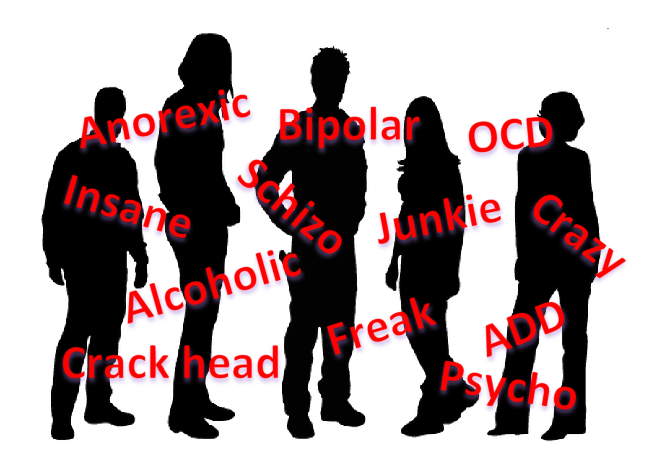 Misconception #1: “There’s no such thing as mental illness. It’s all in their heads. It’s just an excuse.”
Sadly, this attitude is prevalent. Unlike a physical ailment, we cannot detect mental illness as easily as a broken bone. Furthermore, terms relating to mental illness are often used very loosely and erroneously. For example, “I’m depressed because the Leafs lost” or “My sister’s a neat freak – she’s OCD” or “He has antisocial personality disorder – he hates parties.” Such statements undermine the seriousness of mental health disorders. And while we have all experienced sadness and depression at some point, for a psychiatric diagnosis, the illness must be persistent and cause significant impairment and negative consequences to one’s health, behaviours, thinking, family life, employment, school or legal status.
Furthermore, Antisocial Personality Disorder is not someone who avoids interacting with others (this is the diagnosis of Charlize Theron’s character in Monster). Some would use the term “psychopaths” instead to describe individuals with this diagnosis, which can illicit fear and avoidance.
Finally, Obsessive Compulsive Disorder (OCD) does not mean “neat freak”. OCD is an anxiety disorder than can be fueled by obtrusive thoughts, causing disturbances to oneself and to others. Often, engaging in a specific ritual is believed to help temporarily get rid of the “perceived danger”. An example can be the intrusive thought that one’s family might be in danger at all times, and checking to see if the door is locked every hour.

Misconception # 2: “People who are addicted to alcohol and drugs can stop if they wanted to.”
Substance abuse and dependence is considered a psychiatric diagnosis. Causes include genetics and family history, environment and other factors described earlier. Alcohol and drugs are used by some individuals to alleviate underlying mental health illness as well such as trauma, depression, anger and anxiety. And although mood-altering substances are commonly used recreationally during parties and weddings, substance abuse becomes a condition to be treated if the use is causing concerns such as impaired functioning, negative health, distress and harm.
It is not uncommon in the Tamil community to notice problem use among family members or friends. This may include blackouts, erratic behaviour or continued use despite negative consequences. In such cases, the individual may have developed a physical dependency to the substance. So why can’t they just stop? With physical dependence, the brain’s reward system has been affected by the drug to the point that cravings can sometimes be stronger than the need for food. Intensive treatment services would therefore help clients to safely withdraw from these substances and initiate recovery.
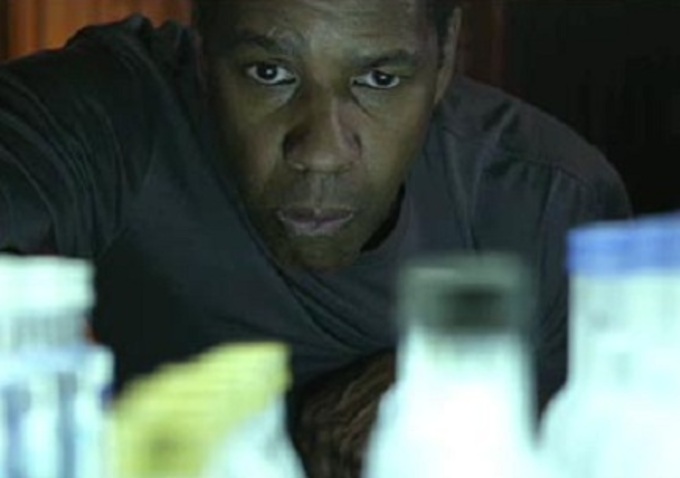
Misconception #3: “People with mental health issues are violent and to be feared.”
In reality, it is more likely for these individuals to be vulnerable and to be victims rather than perpetrators. The media can take some blame for this perception. In the movies cited earlier, the “madman” or criminal often has an underlying mental illness to make the story more intriguing and to account for their violent behaviour. Lately, however, there has been a shift where mental illness is portrayed as humorous. This includes the beloved Sheldon in The Big Bang Theory or Abed in Community. While these characters are entertaining, education and awareness is still needed to understand the true distress caused by mental illness rather than as something to be laughed at or feared. Reducing the stigma can help an individual suffering from mental illness to more confidently seek help.
Misconception #4: “Mental health disorders are untreatable”
Again, the media plays some role in fuelling this idea. For example, in the hit TV show Dexter, would it be more interesting if Dexter got therapy to help manage his urges to kill in healthier ways? This can lead us to believe that people with specific mental health diagnoses are lost causes. Although mental illness can be life-long, this does not mean that the individual cannot be helped. Very commonly, Autism Spectrum Disorder (ASD) is viewed in this light. In reality, individuals with this diagnosis can range from low to high functioning, and even individuals with low functioning autism can lead happy lives with therapy services and support.
 Fortunately, recent media portrayals may be helping this perception. TV Shows such as Touch and Parenthood reveal how family support and therapeutic services can help improve the quality of life for these individuals. In general, for any mental illness, treatments may include a combination of professional therapy, medication and family or peer support for optimal outcomes and recovery.
As discussed earlier, sometimes connecting an individual to essential services might be challenging. During my undergraduate research which explored South Asian attitudes towards professional help-seeking, feedback revealed that many Tamils were hesitant to seek support and felt shame in needing therapeutic services.
 On a positive note, I’ve witnessed a shift in recent years. Several of my friends, colleagues and acquaintances have requested assistance with connecting to professional support to assist them with mental health concerns. We can further foster this trend by adjusting any negative attitudes and stigma-fuelling thoughts that we may hold. What I’ve found in my education and experience is that gaining an understanding of mental health can change the way we perceive, speak and treat others who are diagnosed with mental illness, and can be the difference needed to encourage treatment services for those in need.
Please refer to CAMH for further information regarding mental illnesses and support available:
www.camh.ca